A Practical Guide to Responsible AI for Small Workplace Tools
Small teams and small businesses are starting to use generative AI tools for everyday tasks: drafting emails, summarising meeting notes, generating product descriptions, or answering common customer questions. The technology is accessible and easy to try, but using it responsibly takes more than just clicking a button. A short course on generative AI principles can help professionals think through the risks and design better, safer applications. This article offers a simple checklist for any small workplace AI project, with each point explained in plain terms.
Check the source and training data of the model
Not all generative AI models are the same. Some are trained on broad internet content, others on curated or licensed datasets. For a workplace tool, you want to know where the model's knowledge comes from. If the training data includes copyrighted material, biased sources, or outdated information, the outputs may carry those problems into your work. A responsible approach is to choose a model with transparent documentation about its training data and to avoid using models that cannot explain their sources. This is especially important when the tool handles business communications or client-facing content, because errors or biases can damage trust.
Define the scope of the tool clearly
Generative AI works best when its task is narrow. A chatbot that answers questions about your return policy is easier to make safe than a general assistant that tries to answer any question. Before building anything, write down exactly what the tool will do and, just as importantly, what it will not do. For example, if you are creating a tool to generate draft job descriptions, state that it will not screen candidates or make hiring decisions. Setting boundaries early reduces the chance of the tool being misused or producing unintended results. A generative AI principles course often starts with this scoping exercise because it forces teams to think about limits from day one.
Plan for human oversight
Automation is useful, but generative AI should not run without a human in the loop for anything that affects people's work or wellbeing. For small applications, this usually means a review step before content is published or sent. A person checks the output for accuracy, tone, and relevance. This is not just about catching mistakes; it also helps the team learn what the tool does well and where it struggles. Over time, human feedback can improve prompts and fine-tune the system. The principle is simple: the AI proposes, a human disposes. Even in a two-day generative AI principles course, participants are encouraged to build a review step into their prototype.
Test for common failure modes
Before putting a generative AI tool into real use, test it with a variety of inputs, including tricky ones. Try prompts that are vague, contradictory, or slightly outside the tool's scope. See if the model invents facts (often called hallucination), repeats sensitive information from its training, or produces biased or offensive language. Testing does not need to be exhaustive, but it should cover the main ways the tool could go wrong. For small teams, a simple spreadsheet of test cases works well. Each test case has an input, the expected output, and a note on whether the actual output is acceptable. This kind of systematic checking is a core part of any generative AI principles course, because it builds the habit of questioning outputs rather than trusting them blindly.

Protect privacy and data
Generative AI tools often send prompts to a cloud service for processing. If the prompt contains customer names, financial details, or confidential business information, that data leaves your control. A responsible checklist includes a rule: never put personal or sensitive data into a public AI tool unless you are certain the service does not store or train on your inputs. For workplace applications, consider using a locally hosted model or a service with a clear data-handling policy. Anonymise data where possible. Even simple steps, like removing names and account numbers from a prompt, reduce risk. A course on generative AI principles would cover these data protection basics, because they are often overlooked in the rush to try new technology.
One example of a place that teaches these principles in a structured way is United Ceres College, which runs a classroom course in Singapore designed for professionals who want to build and deploy a simple generative AI application in two days. The course covers many of the points in this checklist, giving participants hands-on experience with responsible development.
Document your decisions
It is easy to forget why a certain model was chosen, why a particular prompt was used, or why a review step was added. Write down the reasoning behind each design choice. This documentation helps if a problem arises later, and it makes it easier for others on the team to understand and maintain the tool. It also demonstrates that the team took a responsible approach, which matters if regulators or clients ask questions. The documentation does not need to be long; a few paragraphs per decision point is enough. Over time, these notes become a reference for future projects.
Plan for ongoing monitoring
Generative AI models change over time. The same provider may update the underlying model, changing how it responds to prompts. New use cases may emerge, and old ones may become less relevant. Schedule regular checks, perhaps every few months, to review the tool's performance and update prompts or boundaries as needed. This is not a one-time setup; responsible AI requires ongoing attention. A short generative AI principles course can give you the framework to set up these checks, but the discipline to keep them running belongs to the team.
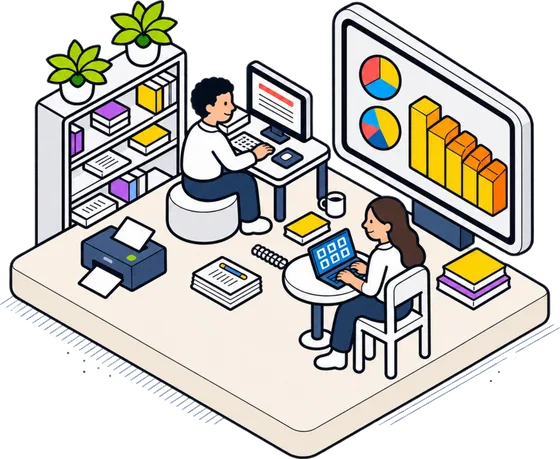
Another aspect of monitoring is listening to users. If people who use the tool report odd or unhelpful responses, take those reports seriously. They may reveal a flaw in the design or a shift in the model's behaviour. Build a simple feedback channel, such as a shared email or a form, and review the comments regularly.
Know when not to use generative AI
Not every task benefits from a generative AI tool. If the task is high-stakes, such as giving medical advice, making legal judgments, or handling financial calculations, generative AI is not a safe choice. If the task is very simple, such as looking up a fixed fact from a database, a traditional search or script is more reliable. The responsible approach is to recognise the tool's limits and pick the right tool for each job. A generative AI principles course can help teams see where generative AI adds value and where it creates risk, so they can make informed decisions.
For professionals looking to build their first generative AI application, a structured learning experience like the one at United Ceres College offers a practical starting point. The course emphasises hands-on building within a clear framework of responsibility, which is exactly what small workplace projects need.
Review and iterate
Finally, treat the first version of your tool as a prototype. Use it in a limited way, gather feedback, and improve it. Responsible AI is not about getting everything right on the first try; it is about learning from mistakes and making the tool better over time. Each iteration should revisit the checklist above: check the model, define scope, maintain human oversight, test thoroughly, protect data, document decisions, monitor usage, and know when to step back. This cycle of review and improvement is the heart of a responsible generative AI practice.
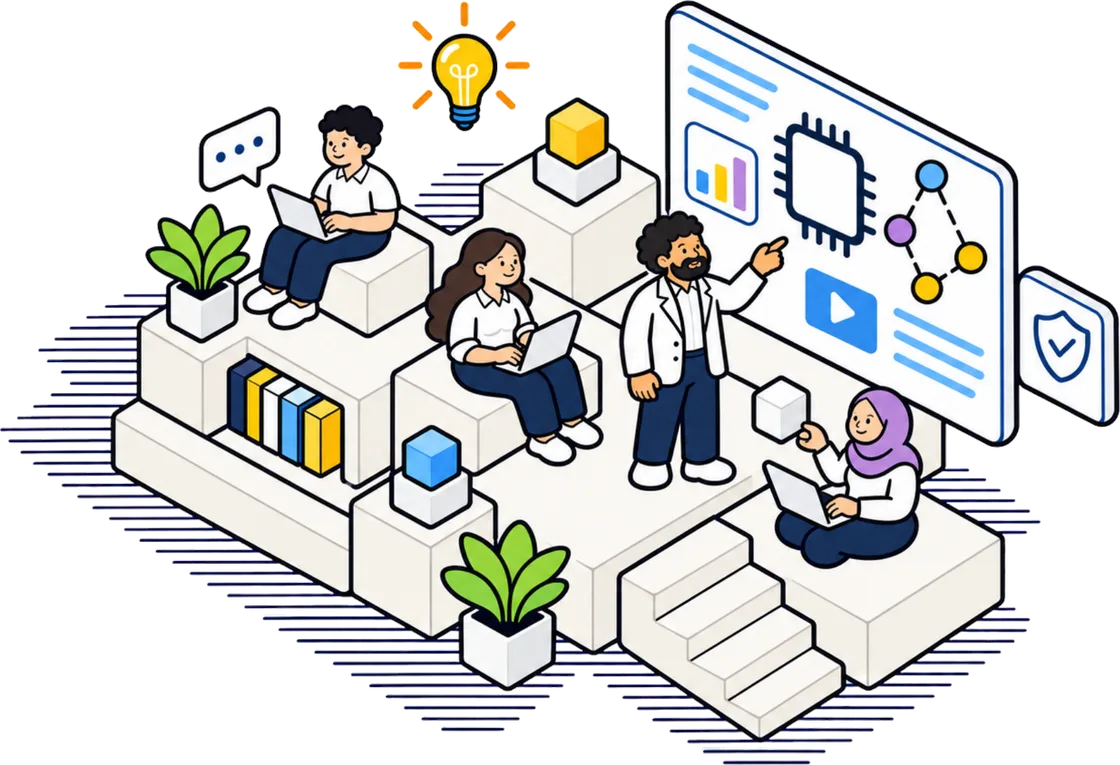
By following these points, small teams can build generative AI tools that are useful, safe, and respectful of the people they affect. The technology is powerful, but it works best when guided by clear principles and practical caution.
United Ceres College on social media
 Twitter
 LinkedIn
 Facebook
 Instagram
 YouTube